
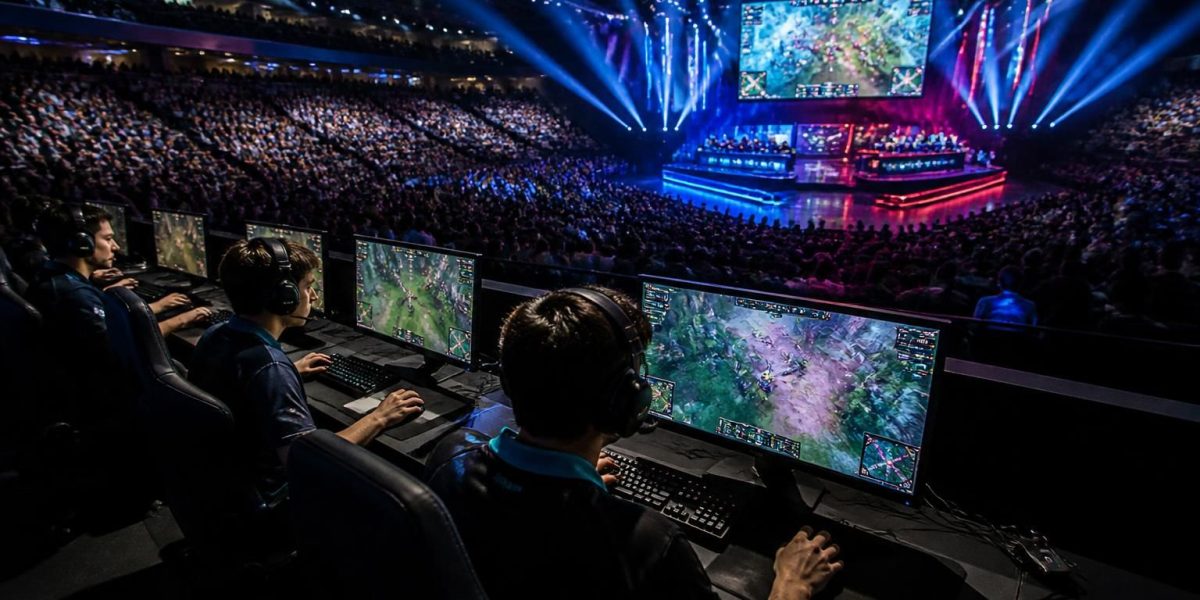
The growth of esports tournaments has emerged as a defining characteristic of the gaming industry, reflecting a seismic shift in how video games are played, consumed, and celebrated. Once a niche interest, competitive gaming has surged into the mainstream, with millions tuning in to watch top players and teams compete for glory. With large-scale events, high-profile sponsors, and expansive viewership, the landscape of esports is evolving rapidly and shaping a new frontier in entertainment.
Understanding the Explosion in Popularity
What has fueled the remarkable growth of esports tournaments? The answer lies in a combination of factors that include technological advancements, changing viewing habits, and the establishment of robust competitive ecosystems. As internet speeds increase and streaming platforms become more accessible, players are able to broadcast their gameplay to a global audience. Games like League of Legends, Dota 2, and Fortnite have capitalized on this trend, allowing fans to engage with their favorite games like never before.
Furthermore, traditional sports franchises and celebrities are entering the esports arena, lending credibility and visibility to these tournaments. This crossover not only legitimizes esports but also draws in fans who may not have previously engaged with gaming competitively. As a result, events such as The International and the Fortnite World Cup have become cultural landmarks, drawing in viewers comparable to those of major sporting events.
The Role of Sponsorship and Investment
As the growth of esports tournaments continues to gain momentum, sponsorship plays a pivotal role in the industry’s financial viability. Major brands are recognizing the vast potential audience and are investing in these events as a way to reach younger demographics. Sponsorship deals can range from partnerships with gaming hardware companies to collaborations with fast-food chains, illustrating the wide appeal of esports.
For instance, the integration of brands into esports tournaments has become increasingly sophisticated, with companies leveraging advertising space within games and during livestreams. These sponsors not only provide essential funding but also contribute to the overall production quality of events, elevating the viewer experience. Consequently, esports tournaments are becoming more professionalized, with high production values that mirror traditional sports broadcasts.
Global Reach and Community Engagement
The growth of esports tournaments is not confined to a specific region; it is a global phenomenon that transcends geographic boundaries. Countries like South Korea have long been at the forefront of competitive gaming, but emerging markets in Southeast Asia, Europe, and North America are now making significant strides. The establishment of local tournaments and leagues encourages community participation and grassroots engagement, further fueling growth.
Additionally, esports tournaments often foster inclusive environments where players from various backgrounds can compete. This sense of community is amplified through fan interactions on social media and dedicated online platforms. For instance, fans actively participate in discussions, share content, and even influence game development through their feedback. Platforms such as Twitch and Discord have become essential tools for community building, allowing players and fans to connect outside of tournament settings. For more on this topic, see bitcoin casino table games.
The Impact of Technology on Tournament Formats
Technological advancements are central to the evolution of esports tournaments. Innovations in streaming technology and broadcasting have transformed how audiences consume content. High-definition streaming, augmented reality, and virtual reality experiences are becoming more common, enhancing viewer engagement and immersion in tournaments.
Moreover, advancements in game design allow for a variety of tournament formats that cater to different audiences. From solo competitions to team-based events, there is something for everyone. In recent years, the introduction of mobile gaming tournaments has also expanded the demographic reach, making esports accessible to a broader audience. This development parallels the rise of mobile platforms, which are now a significant segment of the gaming market.
Challenges Facing the Esports Tournament Scene
Despite its rapid growth, the esports tournament landscape faces several challenges. Issues such as player burnout, the mental health of competitors, and maintaining fair competition are critical concerns that need addressing. As the industry matures, there is a growing recognition of the importance of player welfare and the need for mental health resources.
Additionally, the sheer volume of tournaments can create a saturated market where only a few events stand out. Organizers must find innovative ways to differentiate their tournaments and provide unique value to participants and viewers alike. For instance, partnerships with platforms offering engaging experiences, such as https://stakeobet.com/, can enhance the overall tournament experience by integrating interactive features and community engagement tools.
Conclusion: The Future of Esports Tournaments
The growth of esports tournaments is a testament to the evolution of gaming as a cultural and economic force. As the industry continues to expand, fueled by technological innovation, sponsorship, and community engagement, it is poised for even greater heights. With ongoing challenges that require attention, the journey ahead for esports tournaments will be both an exciting and crucial one for players, fans, and stakeholders alike. As the community continues to thrive, it will be fascinating to witness how this dynamic landscape develops in the years to come.